Morocco’s vibrant culture, stunning landscapes, and rich history make it an attractive destination for solo female travelers. However, the experience differs from traveling in many Western countries, requiring specific strategies and awareness to maximize enjoyment and safety. This comprehensive guide provides practical tips for women traveling alone in Morocco.
Pre-Trip Preparation
Success in solo travel often depends on preparation before leaving home:
Research: Beyond tourist attractions, research Moroccan culture, social norms, and current events. Understanding context helps you interpret situations correctly and respond appropriately.
Travel Insurance: Comprehensive coverage including medical emergencies, evacuation, and trip cancellation is essential. Ensure it covers activities you plan (trekking, camel riding, etc.).
Copies of Documents: Keep digital and physical copies of passport, visas, travel insurance, and important contact numbers separate from originals. Email copies to yourself for cloud access.
Registered Traveler Program: Many countries offer programs where citizens can register trips. This helps embassies assist you in emergencies.
Packing Smart: Beyond clothing, pack items specifically useful for solo women: door stop alarm for accommodation security, scarf for religious sites or coverage when needed, basic first aid kit, water purification tablets, and portable charger.
Learning Basic Arabic: Even a dozen phrases significantly improves experiences. Apps like Duolingo or phrase books work well. Focus on greetings, numbers (for shopping), directions, and polite refusals.
Daily Safety Practices
Incorporating these habits into daily routine enhances safety:
Stay Connected: Keep phone charged and with local SIM card for data. Share location and plans with someone at home or fellow travelers. Check in regularly.
Trust Your Instincts: If something feels wrong, it probably is. Don’t worry about seeming rude – remove yourself from uncomfortable situations immediately.
Appear Confident: Even when lost or uncertain, project confidence. Walk purposefully, maintain awareness, and avoid appearing vulnerable or confused in public.
Secure Valuables: Use money belts or hidden pouches for passports and large amounts of cash. Only carry what you need for the day. Be subtle when accessing money in public.
Accommodation Security: Always lock doors and windows. Use additional security like door wedges. Don’t open doors without verifying who’s there. Keep accommodation name and address in Arabic on your phone.
Alcohol Awareness: Morocco is relatively liberal regarding alcohol for tourists, available in licensed restaurants and hotels. However, moderation is wise – being intoxicated makes you vulnerable and is culturally frowned upon.
Navigating Social Interactions
Moroccan social norms differ from Western ones, particularly regarding gender:
Eye Contact: Sustained eye contact with men can be interpreted as interest or invitation. Sunglasses help avoid accidental extended eye contact while allowing you to observe surroundings.
Physical Contact: Handshakes with men are generally fine in tourist areas, but some conservative Muslim men don’t shake hands with women. Take cues from the other person. Avoid other physical contact with men unless they’re close friends.
Saying No: Western women often feel pressure to be polite even when uncomfortable. In Morocco, firm, clear refusals are more effective and appropriate. “La” (no) or “la shukran” (no thank you) delivered confidently works better than soft apologies.
Conversations: It’s fine to have conversations with Moroccan men in appropriate contexts (shops, restaurants, tours). Use judgment about when conversations feel comfortable versus potentially problematic. Moving to public areas or involving others provides safety.
Invitations: Be cautious about invitations to homes or private spaces from people you’ve just met, regardless of how friendly they seem. If you do accept, tell others where you’re going.
Dining Solo
Eating alone as a woman requires some navigation in Morocco:
Restaurant Choice: Tourist-oriented restaurants are generally comfortable for solo women. Traditional local restaurants may be male-dominated, potentially uncomfortable for solo women though not dangerous. Hotel restaurants provide comfortable, neutral spaces.
Café Culture: Moroccan cafes are traditionally male spaces, and solo women may feel conspicuous. However, in tourist areas and larger cities, cafes increasingly welcome women. Choose busier, visible cafes. Some cafes have family sections more comfortable for women.
Street Food: Morocco’s street food is delicious and generally safe hygienically in busy places with high turnover. Eating street food solo is fine during day but exercise judgment at night.
Food Tours: Joining food tours provides social dining experiences, local insights, and introduction to dishes you might not discover alone. They’re great ways to meet other travelers too.
Shopping and Haggling
Moroccan souks offer incredible shopping but can be overwhelming:
Expect Haggling: Prices in souks are negotiable. Start at 50% of asking price and negotiate up. It’s a game – keep it friendly. If you can’t agree, walk away; often sellers will call you back with better prices.
Quality Assessment: Not everything claiming to be authentic is genuine. Research typical prices and quality markers beforehand. For expensive purchases like carpets or jewelry, consider hiring a guide who can assess authenticity.
Aggressive Sales Tactics: Some vendors employ high-pressure tactics. Remember you’re under no obligation to buy anything. “La shukran” and walking away works. Don’t accept shop invitations if uncomfortable.
Support Women: Cooperatives and shops run by women often offer quality goods at fair prices while supporting women’s economic independence. They’re generally pressure-free shopping experiences.
Specific Destination Tips
Different Moroccan destinations require different approaches:
Marrakech: Most intense city for hassle. Djemaa el-Fna square can be overwhelming – be prepared for snake charmers, monkey handlers, and henna artists who demand payment after services you didn’t request. Be very firm with boundaries. The souks require constant “la shukran” use. Despite this, Marrakech is wonderful – just be prepared.
Fez: More traditional and conservative than Marrakech. Dress modestly and be prepared for the medina’s genuine complexity – guides are nearly essential here. Less aggressive than Marrakech but still bustling.
Chefchaouen: Noticeably more relaxed. Solo women often report this as their most comfortable Morocco experience. Smaller, less overwhelming, beautiful for wandering.
Desert Tours: Popular for solo travelers. Join group tours from Marrakech or Fez. They provide safe desert access with instant travel companions. Choose reputable companies with good reviews from solo women.
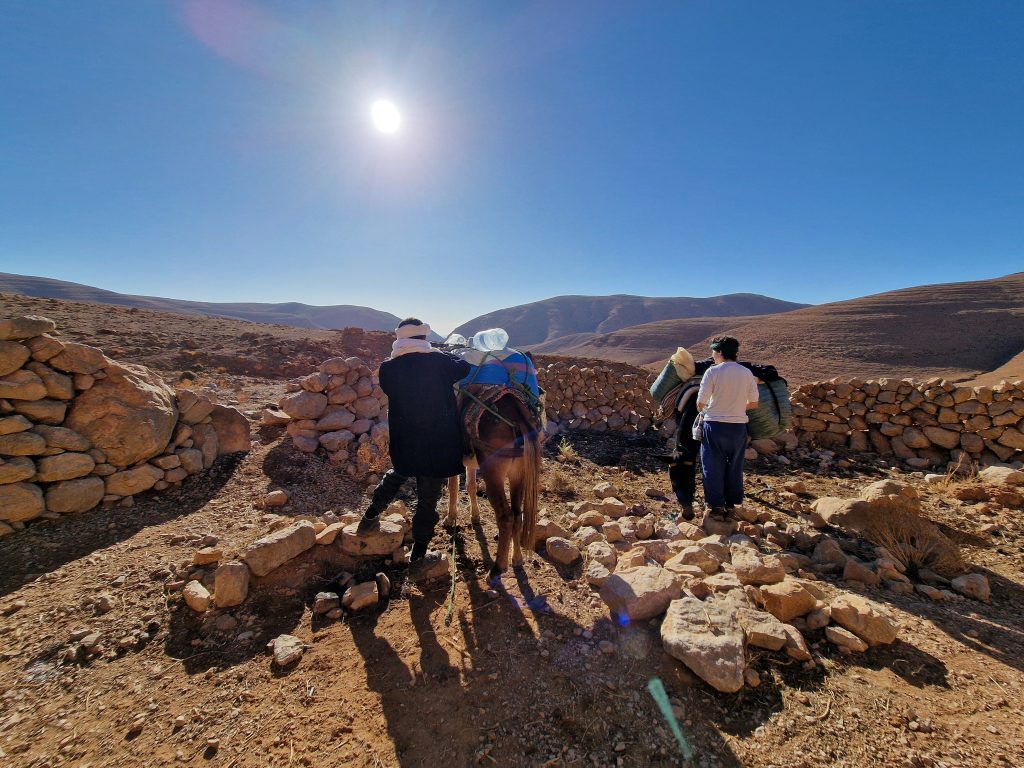
Atlas Mountains: Mountain villages are generally very safe and welcoming. Tourism provides important income, and communities typically treat travelers well. Guesthouses offer family-style accommodations where you’ll feel welcomed and safe.
Coastal Cities: Essaouira and Asilah are more relaxed than inland cities. Beach culture is different – still modest compared to European beaches but more liberal than elsewhere in Morocco.
Health and Hygiene
Maintaining health while traveling solo is crucial:
Water: Drink only bottled water. Avoid ice unless certain it’s made from purified water. Brush teeth with bottled water.
Food Safety: Eat at busy restaurants with high turnover. Fresh, hot food is safest. Be cautious with raw vegetables unless in upscale restaurants with safe washing practices.
Stomach Issues: Despite precautions, many travelers experience digestive issues. Bring appropriate medications. Stay hydrated and rest if affected.
Pharmacies: Well-stocked pharmacies exist in all cities, often with English-speaking pharmacists. Many medications available over-counter in Morocco require prescriptions elsewhere.
Female Hygiene: Tampons and pads are available in pharmacies and supermarkets in cities but selection may be limited. Bring your preferred brands, especially if visiting rural areas.
Healthcare: Quality varies. Major cities have good private clinics. Travel insurance with medical evacuation is important. Your accommodation or embassy can recommend doctors if needed.
Technology and Connectivity
Staying connected enhances safety and convenience:
SIM Cards: Purchase local SIM cards at airports or phone shops. Data plans are affordable and coverage is good in cities and tourist areas. You’ll need passport for purchase.
Apps: Useful apps include Maps.me (works offline), Google Translate (download Arabic offline), Careem (ride sharing), XE Currency (converter), and TripAdvisor.
WiFi: Most accommodations, cafes, and restaurants offer WiFi, though speeds vary. Don’t conduct sensitive transactions (banking) on public WiFi without VPN.
Photography: Always ask permission before photographing people, especially women. Some may want payment; agree on prices first. Military installations and police shouldn’t be photographed.
Sustainable and Responsible Travel
As a solo traveler, your choices impact communities:
Local Support: Eat at local restaurants, stay in local guesthouses, hire local guides, buy from artisans. This ensures tourism benefits communities directly.
Fair Prices: While haggling is expected, remember you’re often negotiating over amounts insignificant to you but meaningful to sellers. Find fair middle ground.
Cultural Respect: Learn about and respect Islamic practices. Ramadan, for instance, means eating, drinking, and smoking publicly during daylight is disrespectful (though tourists aren’t required to fast).
Environmental Awareness: Morocco faces environmental challenges. Minimize plastic use, don’t litter, respect natural areas, and support eco-conscious operators.
Mental and Emotional Wellbeing
Solo travel challenges you mentally and emotionally:
Loneliness Management: Solo travel includes lonely moments. Embrace them as opportunities for reflection, but also seek connection through activities, tours, or staying in social accommodations when needed.
Culture Shock: Morocco’s differences from Western countries can be shocking. Allow yourself adjustment time. Feelings of frustration or overwhelm are normal. Take breaks when needed.
Self-Care: Maintain routines that ground you: exercise, journaling, meditation, regular contact with home. Don’t push yourself constantly – rest days are valuable.
Celebrate Achievements: Solo travel requires constant small courageous acts. Acknowledge your accomplishments – successfully navigating a medina, handling uncomfortable situations well, or communicating in Arabic.
Meeting Other Travelers
Solo doesn’t mean isolated:
Accommodations: Hostels and riads with common areas facilitate meeting others. Even if you prefer private rooms, choose places with social spaces.
Tours and Activities: Cooking classes, food tours, day trips, and hammam visits provide structured ways to meet people with shared interests.
Online Communities: Travel apps like Meetup or Couchsurfing list events and gatherings. Facebook groups for Morocco travelers or solo female travelers help you connect.
Natural Connections: Morocco’s tourist trail means you’ll naturally encounter the same travelers multiple times. These repeated encounters often develop into travel friendships.
Conclusion
Solo female travel in Morocco requires more awareness and adaptation than some destinations, but women who visit consistently report transformative, wonderful experiences. The key is balancing openness to adventure with appropriate caution, respecting cultural differences while maintaining personal boundaries, and approaching challenges as growth opportunities rather than insurmountable obstacles. With these tips in mind, solo female travelers can safely enjoy everything Morocco offers – ancient medinas, stunning mountains, vast deserts, delicious cuisine, and most importantly, warm hospitality that makes visitors feel welcomed despite cultural differences. The confidence and personal growth gained from successfully navigating Morocco solo are rewards that extend far beyond the trip itself.